Nigeria's response to international criticism over the persecution of Christians, led by the US Senator Ted Cruz, has devolved into a puerile exercise in social media warfare. The government, it seems, has mobilised an army of online defenders who mistake hashtag activism for statecraft, creating a cacophony of voices that muddies discursive waters precisely when clarity is most needed. This lazy ineffective strategy obscures rather than genuinely address security crises.
The domestic response divides into four camps, each contributing to confusion rather than clarity. First, armchair social media warriors trade in inflammatory rhetoric while understanding neither the issues nor diplomatic consequences of their outbursts, amplifying misinformation that drowns substantive analysis. Second, liberal media consumers reflexively oppose American positions without grasping bilateral diplomatic nuances. They compare apples with oranges, forgetting that context and culture shape how nations engage different partners. Third, government apologists brandish sovereignty against legitimate scrutiny, insisting Nigeria needs no external input, a posture that gives policymakers dangerous false confidence. Finally, a handful of genuine experts; these are specialists on internal conflicts or experienced bilateral diplomats who rarely speak. When they do, amateur commentary from the other groups overwhelms their measured voices.
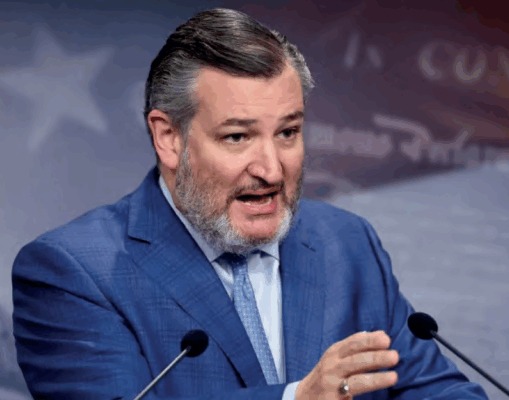
This orchestrated noise serves those who benefit from confusion. When everyone shouts, truth becomes indiscernible, providing perfect cover for perpetrators while government remains in denial.
"Nigeria's response to international criticism... has devolved into a puerile exercise in social media warfare."
Nigeria must summon courage to face its problems rather than blaming external critics. Senator Cruz serves merely as canary in the coal mine, a harbinger of deeper concerns, not their architect.
The Hausa Native Advancement and Development Initiative submitted formal ICC petitions, alleging systematic ethnic cleansing by Fulani militias across northern Nigeria. The petition includes mass grave photographs, survivor testimonies, and documentation of village destructions. Another group, Intersociety filed detailed ICC complaints in June 2023, naming specific government officials and documenting systematic Christian persecution, claiming over 31,000 deaths since 2015.
These are not foreign conspiracies but indigenous Nigerian voices seeking international justice when domestic mechanisms fail. The petitions collectively illustrate deepening ethnic and religious fractures, with different communities presenting competing narratives of victimhood and responsibility. Dismissing these petitions as politically motivated or externally instigated represents dangerous disconnect from citizen experiences. When Hausa communities accuse Fulani militias of ethnic cleansing while Christian groups document systematic persecution, government's response should not be denial wrapped in nationalist rhetoric.
Real internal security crises exist across Nigeria's geopolitical zones, each requiring targeted responses rather than blanket denial. The Northeast faces continued Boko Haram and ISWAP attacks, with ideological extremism targeting the Nigerian state, Christians and those who oppose their peculiar Islamic worldview. These groups exhibit brutal symbolism by attacking churches and publicly executing Christians, and sometimes moderate Muslims. The Northwest suffers catastrophic governance collapse creating ungoverned spaces that breed banditry, kidnapping, cattle rustling, and greed-driven extortion. The region suffers serious ethnic crisis between the Hausas and the Fulanis, a crisis nobody wants to acknowledge or talk about. Criminal networks thrive in security vacuums created by weak police presence, corruption, and inadequate social services.
The Middle Belt experiences the most severe religious persecution accusations and potential genocide. Well-armed non-state actors, predominantly Muslim jihadists, launch coordinated attacks on native Christian communities. Violence is marked by jihadist ideology seeking to displace, subjugate, and eliminate native populations through midnight village raids, mass killings, church burnings, and farm destructions. Evidence appears everywhere through large internally displaced communities.
"Government's insistence that ethnic and religious crises do not exist represents more than diplomatic miscalculation; it is policy paralysis."
Government officials acknowledge military deployment in 33 of Nigeria's 36 states. This tacit admission of nationwide security collapse in a country not technically at war ought to keep policy makers awake at night. This extraordinary militarisation demands honest assessment rather than defensive posturing. Recent rumours of military coups reflect deep societal anxiety about security failures. When citizens lose confidence in government's ability or willingness to protect them, democratic stability itself becomes threatened.
Government's insistence that ethnic and religious crises do not exist represents more than diplomatic miscalculation; it is policy paralysis guaranteeing problem perpetuation and escalation. Denial will not make violence disappear; it only festers, growing more complex as international voices grow louder.
Nigeria should establish a National Commission on Religious Freedom staffed with non-partisan business leaders from all six geopolitical zones, selected for managerial acumen and perceived neutrality. This Commission must investigate specific incidents and general violence patterns linked to religious identity, differentiate criminal banditry from ethno-religious conquest, and assess genocide accusations applying international legal standards. The Commission should audit the IDP crisis. Nigeria harbours one of Africa's largest displaced populations, primarily from Middle Belt and Northeast conflicts. It must evaluate security force effectiveness in preventing violence, protecting citizens, and prosecuting perpetrators while conducting public hearings with victims, community leaders, and security experts.
Such decisive action would demonstrate genuine government commitment to transparent fact-finding and sustainable solutions rather than social media theatrics. It would provide credible platform for truth, create clear roadmaps for peace, and reassure both citizens and international observers that Nigeria takes religious freedom and ethnic harmony seriously. The choice facing Nigerian leadership is not between sovereignty and external interference; it is between honest self-assessment and continued deterioration. Every day spent mobilising X (formerly Twitter) warriors instead of addressing security failures hands ammunition to critics, while failing citizens who deserve protection. When will Nigerian leaders face the facts?
Credit: Dr. Richard Ikiebe
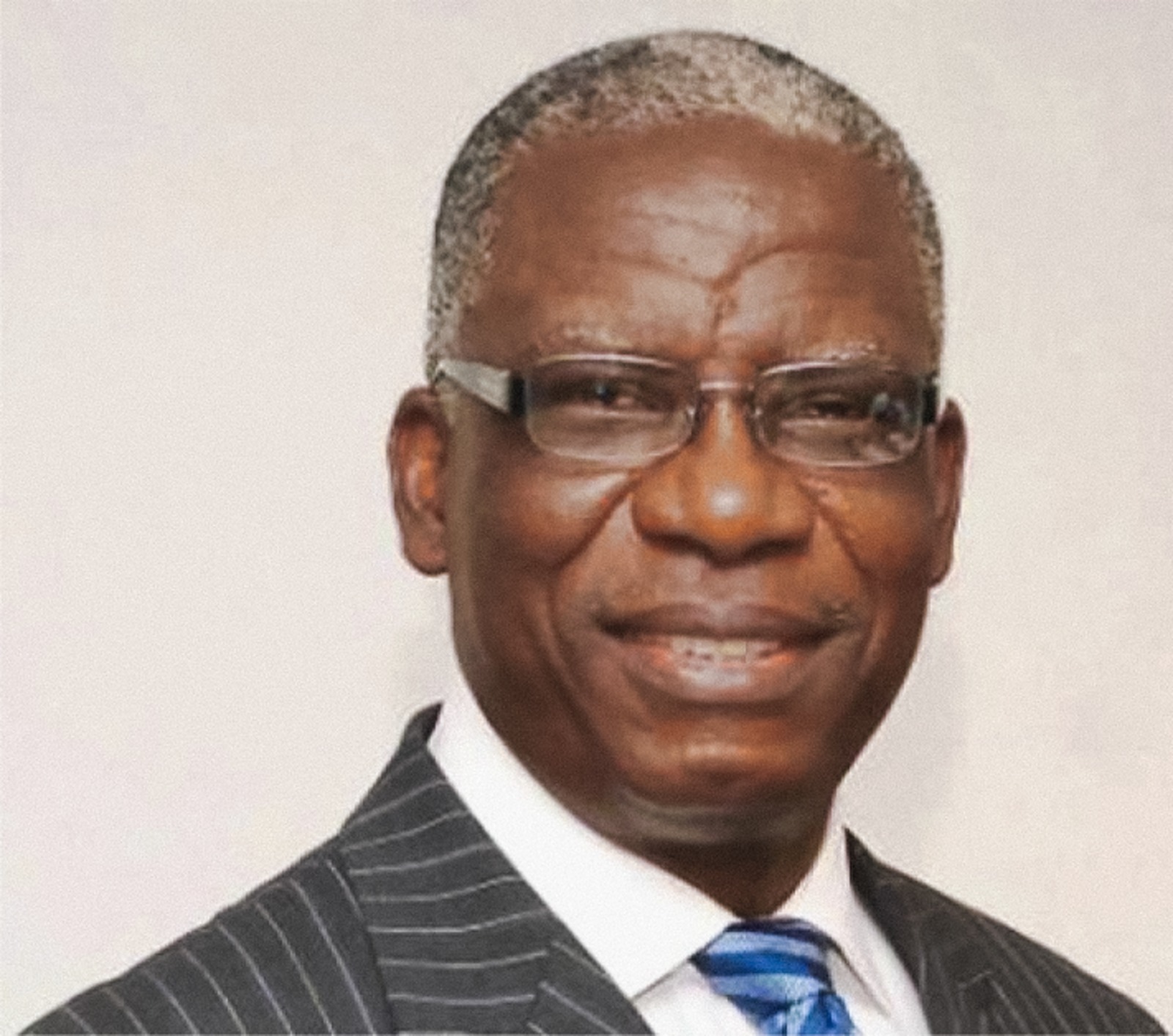
Dr. Richard Ikiebe is a scholar specialising in Contemporary Media Leadership and History. With extensive experience as a media practitioner across both public and private sectors, he teaches as an Adjunct Senior Fellow at the School of Media and Communication, Pan-Atlantic University, Lagos. Beyond academia, he holds other leadership positions, including President of INSDEC, Chairman of the BusinessDay Board of Directors, and Co-convener of the YSOT.
Source: BusinessDay
